

AI
Oct 20, 2026
AI
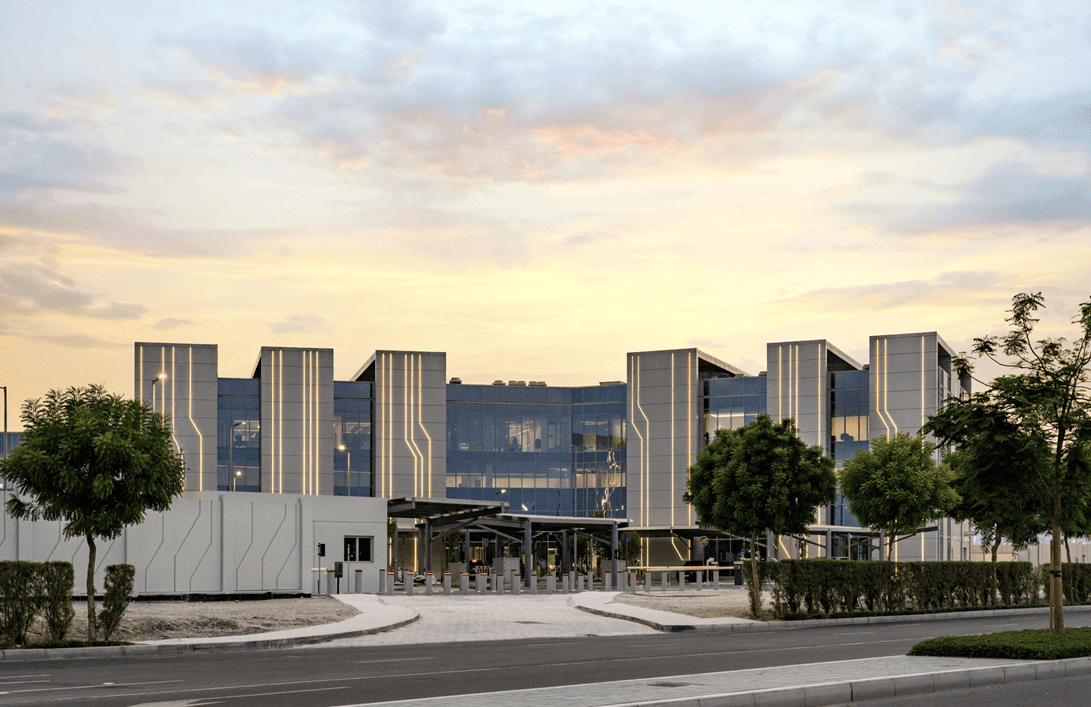
Data centers are not supposed to be sustainability stories. They are, by almost every measure, the opposite: massive consumers of electricity, water, and raw materials, built to run continuously and cool relentlessly as the world's appetite for AI and cloud computing explodes with no ceiling in sight. Which is what makes what just happened in Dubai genuinely surprising.
[Fore more news, click here]
Khazna Data Centers' DXB8 facility has become the first data center in the world to receive Zero Waste Certification from SCS Global Services, one of the most respected third-party sustainability certification bodies on the planet. The certification, awarded under the SCS-110 standard, confirms that over a 12-month independently audited period, DXB8 diverted 99.55% of its waste away from landfill. That's not a rounding error. That's a near-total elimination of waste going into the ground.
To understand why this matters, it helps to understand what data centers actually do to the environment beyond their famous electricity consumption. These facilities generate enormous volumes of operational waste: packaging materials, construction byproducts, food waste from on-site workers, materials from ongoing maintenance, and more. Most of it quietly ends up in landfill. That's the default. That's the norm across an industry that is expanding at a pace few other sectors can match.
DXB8 did something different.
The facility achieved its certification not through a single dramatic intervention but through what auditors describe as rigorous operational controls, disciplined waste segregation, and responsible end-of-life management. That means everything from partnering with vendors on bottle reuse programs, to routing waste through recycling, resale, and composting channels, to establishing governance structures that make waste reduction a continuous operational priority rather than an annual campaign.
Critically, the certification excludes IT waste from data halls, which represents tenant equipment and sits outside the facility operator's direct control. What it does cover is everything Khazna itself can influence, and across that scope, the performance is extraordinary.
"This certification is an important milestone in our sustainability journey," said Elisabetta Baronio, Director of ESG at Khazna Data Centers. "Achieving Zero Waste status is not about a single initiative. It is the result of consistent operational discipline, strong partnerships across our supply chain, and a culture that prioritizes environmental responsibility alongside performance and reliability."
That language, "consistent operational discipline," is worth pausing on. Certifications like this are not awarded for good intentions or well-designed programs that underperform in practice. SCS Global Services conducted a comprehensive independent assessment of all qualifying waste streams, reviewing not just the diversion numbers but the underlying systems: governance structures, workplace culture, and continuous improvement processes. The score of 99.55% is the output of something that actually works.
For the data center industry, that distinction is significant. Sustainability commitments in tech have a complicated history. Carbon neutrality pledges get made and quietly walked back. Water usage targets get buried in footnotes. The gap between announcement and verification is often wide.
A third-party certification with a specific number, for a specific facility, over a specific 12-month period, is different. It is, by design, harder to obscure.
Khazna operates across multiple markets with a focus on what the company calls sovereign-ready infrastructure, data centers built to meet national data residency requirements in markets where governments are increasingly demanding that sensitive data stay within their borders. The UAE, where DXB8 is located, has been among the most aggressive in the region in building out its AI and digital economy ambitions, and demand for that kind of infrastructure is accelerating sharply.
The challenge that creates for sustainability is real. More capacity means more construction, more materials, more operational footprint. The industry's standard response has been to point to renewable energy sourcing and efficiency gains in power usage. Waste, by comparison, has received far less attention.
That's beginning to change, and DXB8 is now the clearest proof point that change is operationally achievable, not just theoretically possible.
Being first globally at anything in a mature industry is notable. Being first at something that other operators have had every incentive to pursue, and haven't managed, is more than notable.
The data center boom is not slowing down. If anything, the arrival of large-scale AI workloads is accelerating it. The question the industry faces is whether the infrastructure underpinning the digital economy will be built with the kind of discipline that a record like DXB8's suggests is possible.
One facility in Dubai just made that question harder to dismiss.
Related Articles


