

AI
Oct 9, 2026

There's a split-screen moment happening inside boardrooms across the Middle East. On one monitor: a region that has spent years hardening its digital infrastructure, building cybersecurity muscle, and earning a level of confidence in its risk management that outpaces most of the world. On the other monitor: artificial intelligence, fast-moving, governance-defying, and increasingly urgent, and a leadership class that, by its own admission, isn't quite ready for it.
[For more news, click here]
That's the central tension surfacing from Heidrick & Struggles' newly released CEO & Board Monitor 2026, a sweeping survey of 1,921 executives and directors across five global regions. Among the 148 Middle East respondents polled at the end of last year, the findings paint a portrait of a region that has conquered one technology frontier while still mapping another.
Nearly half of Middle East respondents, 49%, identified cybersecurity risk as one of the most significant challenges their organisations expect to face in 2026. That's the highest proportion recorded across any of the five regions surveyed, and it sits well above the 31% global average. In an era defined by state-sponsored attacks, ransomware-as-a-service, and critical infrastructure targeting, the concern is entirely rational.
But here's what's striking: Middle East leaders aren't just worried, they're confident. Fifty-eight percent of respondents said they feel capable of managing cybersecurity risk, compared to 51% globally. This is a region that has not only identified the threat but has invested in the answer. Years of national cybersecurity strategies, regulatory frameworks, and government-private sector coordination across the UAE, Saudi Arabia, and beyond have built something real: genuine institutional readiness.
Artificial intelligence is the other story — and it's moving in a different direction. Forty-seven percent of Middle East leaders flagged AI as a major issue for 2026, the highest share among all regions surveyed and above the 44% global average. Awareness of AI's disruptive potential is clearly there. But confidence in handling it is not keeping pace.
Only 36% of Middle East respondents said they are confident in managing AI — below the already-modest 39% global average. This gap between recognising AI's importance and feeling equipped to govern it is arguably the defining leadership challenge of this moment, not just in the Middle East but worldwide. The difference here is that in this region, the contrast with cybersecurity performance is particularly stark.
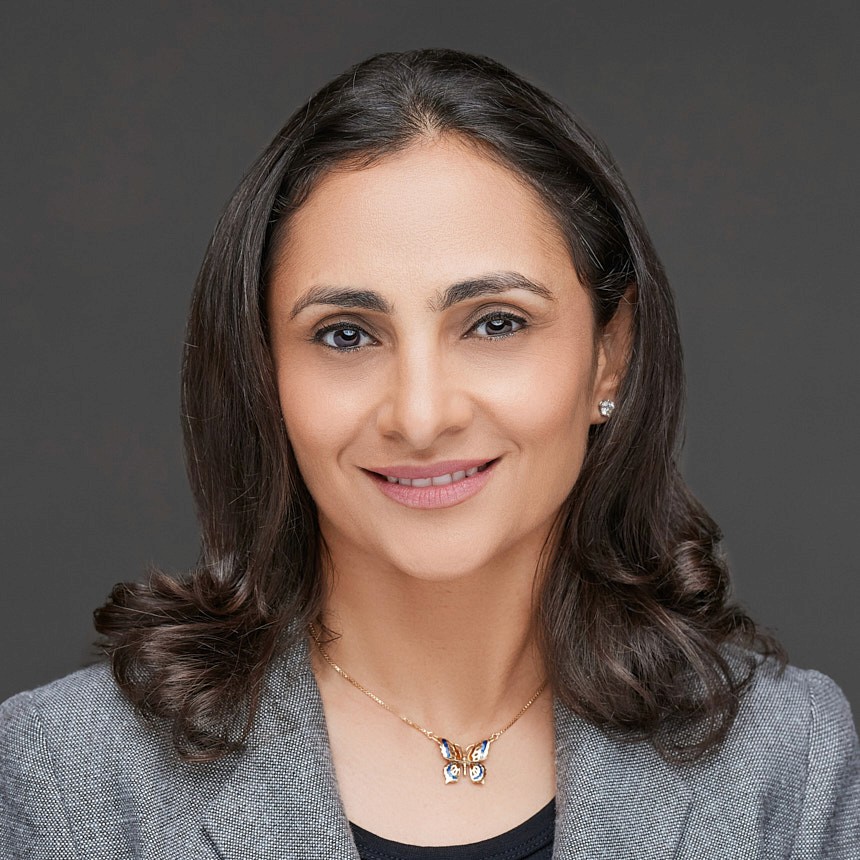
"Cybersecurity confidence in this region is well-earned, but AI is a different kind of challenge entirely. It is moving faster than most governance structures were designed to handle, and that gap is real," said Maliha Jilani, Partner-in-Charge, Heidrick & Struggles Middle East & North Africa
The reason cybersecurity became manageable is, in part, because it's a problem with a long history and a relatively established playbook: patch vulnerabilities, hire specialists, implement frameworks, run drills. AI governance has no such playbook — not yet. The technology is evolving faster than regulation, faster than board education cycles, and faster than the talent pipelines designed to staff it. That's not a Middle East problem; it's a global one. But it's one the region can't afford to lag on, given how much economic transformation is riding on AI adoption across Vision 2030 initiatives and digital diversification agendas.
Jilani put it directly: "Boards that are ahead of this are already thinking differently, whether that means refreshing board composition to bring in AI expertise, or establishing dedicated advisory structures that can keep pace with technology. The organisations that act on this now will be far better positioned than those that are passive."
Beneath the technology headlines, the survey reveals a third pressure point that may be the most underappreciated of all. Only 46% of Middle East respondents expressed confidence in their organisation's ability to maintain a healthy culture — the lowest figure among all regions surveyed, and well below the 55% global average. This matters because culture is the connective tissue through which any technology transformation either succeeds or frays.
When organisations are simultaneously managing cybersecurity threats, integrating AI tools, navigating geopolitical volatility, and restructuring workforces, culture becomes the stress test. If employees don't understand where the organisation is going — or why — trust erodes, productivity suffers, and the best people leave.
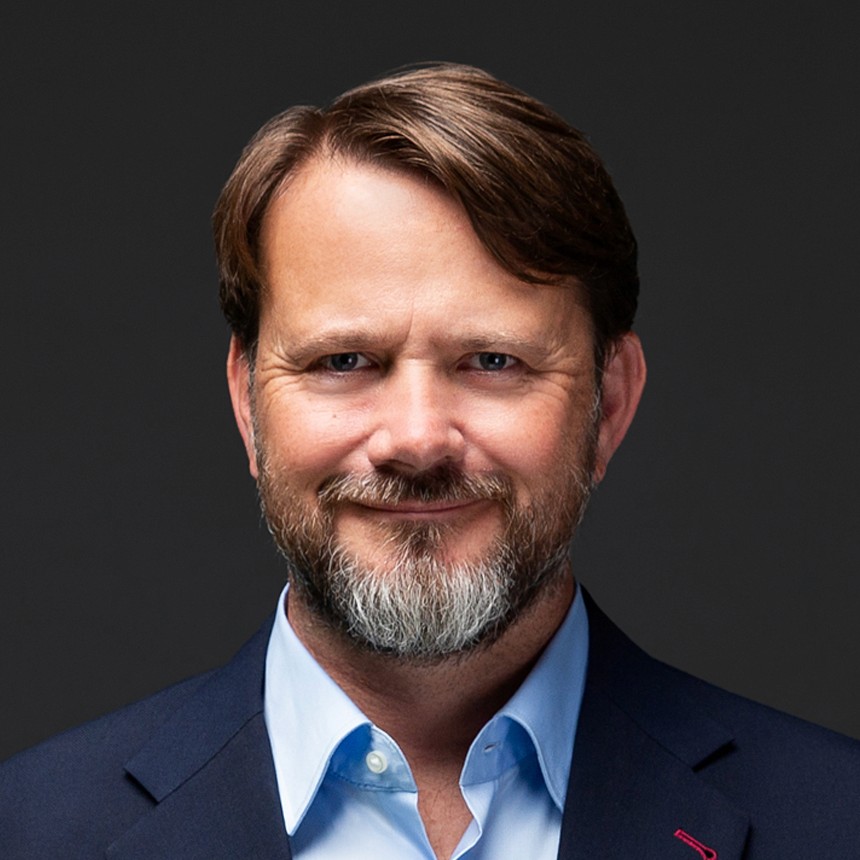
"The board's role in culture is often underestimated. Appointing a strong CEO is a great step, but boards must actively evaluate whether the organisation's culture is keeping pace with transformation in the workplace," said Dr. Jay Bevington, Global Board Advisory Leader, Heidrick & Struggles
Dr. Bevington's point cuts to a real governance gap. Many boards treat culture as a soft metric, something to mention in an annual report rather than scrutinise in a quarterly review. But in an era of AI-driven change and geopolitical pressure, that passivity is a liability. Culture doesn't drift on its own; it is actively shaped or passively neglected. The data suggests that Middle East boards may need to be more deliberate about which of those they're doing.
Taken together, the survey findings describe a Middle East leadership class at an inflection point. The region has demonstrated that it can build institutional capability around complex, high-stakes technology challenges — cybersecurity is proof of that. The question now is whether organisations can apply the same intentionality and urgency to AI governance before the gap becomes a structural disadvantage.
The answers will likely require several things working in parallel: board-level AI literacy programmes, dedicated AI oversight committees, partnerships with regulatory bodies to develop governance frameworks, and a broader cultural shift that treats AI risk management as a C-suite priority rather than an IT department concern. None of these are quick fixes. But the organisations that start now — refreshing board composition, commissioning AI readiness audits, embedding AI ethics into existing governance structures — will hold a meaningful lead over those that wait.
The Middle East has shown it can build cyber resilience from the ground up. AI governance is the next frontier. The clock, as Maliha Jilani suggests, is already running.
Related Articles


