Technology
Jun 11, 2026
Technology
The Digital Cooperation Organization's new Global Expert Community is a bet that the best ideas for solving the world's digital challenges are not sitting in any one capital city.
[For more news, click here]
There is a question quietly reshaping how international organisations think about the future of digital governance: when a government in West Africa is trying to build a national AI framework, or a small island nation is designing its first digital trade policy, where exactly does the expertise come from? The standard answer, for decades, has been a short list of high-income countries, elite consultancies, and multilateral institutions headquartered in Geneva or Washington. The Digital Cooperation Organization is trying to change that.
The DCO, which holds the distinction of being the world's first standalone international organisation dedicated exclusively to accelerating inclusive and sustainable digital economy growth, has launched the Global Expert Community, a new global platform designed to bring qualified professionals from every sector and region into direct service of the organisation's most consequential initiatives. Applications are now open worldwide.
It is a straightforward idea with quietly radical implications. The digital economy does not have a single geography. Its problems do not respect national borders. Its solutions should not either.
The DCO was founded in 2020, headquartered in Riyadh, and now counts 16 member states with dozens of observers. Its mandate covers the full breadth of the digital economy, from AI governance and digital trade to cybersecurity, digital infrastructure, and the kind of digital skills development that determines whether the next generation of workers in emerging economies gets left behind by automation or empowered by it.
What the organisation has understood, with unusual clarity, is that executing on that mandate requires something that no single secretariat can fully provide: depth of specialised expertise, distributed across regions, sectors, and professional backgrounds. The Global Expert Community is the structural answer to that problem.
Participation is voluntary. Experts contribute through a range of activities calibrated to DCO priorities, including expert dialogues and strategic discussions, capacity-building initiatives, advisory contributions, and the development of practical knowledge resources that support informed decision-making at both national and multilateral levels. Engagement opportunities are activated based on the relevance of expertise to specific initiatives, which means the platform is designed to draw on practitioners at the moment their knowledge matters most, rather than building standing committees that outlive their usefulness.
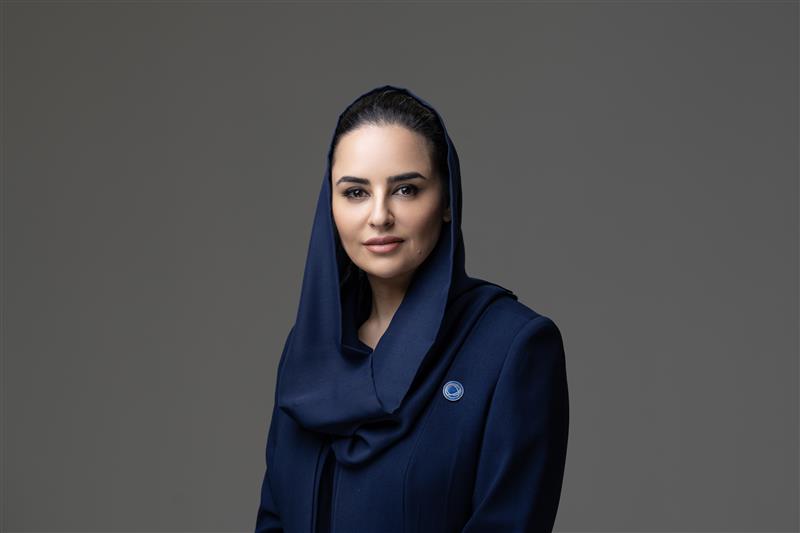
"Today's digital challenges require stronger collaboration and access to diverse expertise. Through the Global Expert Community, we are establishing a platform that transforms knowledge into actionable impact and strengthens our collective capacity to build more inclusive, resilient, and future-ready digital economies," said Ms. Deemah AlYahya, Secretary-General of the DCO.
The scope of who can apply is notably broad. The DCO is accepting applications from government entities, international organisations, academic institutions, private sector organisations, civil society institutions, and independent practitioners. That last category matters. Much of the world's most granular, actionable expertise in digital economy development sits outside formal institutional structures, in researchers, consultants, and practitioners who have spent years working at the edges of markets that larger organisations only recently started paying attention to.
The priority areas covered by the GEC map directly onto the most contested and consequential questions in global digital policy right now. Artificial intelligence, digital trade, digital investment, data and digital infrastructure, digital talent and skills, digital economy policy and governance, emerging technologies, digital inclusion and innovation, cybersecurity and trust, and digital transformation and adoption are all explicitly named. In other words, the DCO is not building a narrow technical advisory panel. It is building a community capacious enough to address the full complexity of what it means to develop a digital economy that actually works for everyone.
"By bringing together experts from across sectors and regions, we aim to accelerate knowledge exchange, foster collaboration, and support the development of practical solutions that drive meaningful and measurable impact through international digital cooperation," Ms. AlYahya added.
It would be easy to read the DCO's Global Expert Community as a regional initiative with global branding. That reading would miss the point. The organisation's membership spans Asia, Africa, Europe, and the Arab world, and its agenda is shaped by the development challenges of economies that rarely get to set the rules of the digital game they are being asked to play. When the DCO talks about inclusive and sustainable digital economies, it is not using those words as aspiration. It is describing the operational reality of the countries it serves.
The timing of the GEC launch is also worth noting. The global conversation about AI governance is moving faster than most national regulatory frameworks can keep up with. Digital trade is reshaping supply chains in ways that legacy trade law was not designed to address. Cybersecurity threats are increasingly sophisticated and increasingly borderless. These are not problems that any single country, or any single type of expert, can solve in isolation. The Global Expert Community is a recognition that the answer has to be genuinely plural, drawing on practitioners who have worked in different regulatory environments, different infrastructure contexts, and different cultural frameworks for thinking about what digital inclusion actually means.
For professionals working in enterprise technology, AI policy, cybersecurity, or digital governance, the GEC represents something unusual: a multilateral platform that is actively looking for practitioner expertise, not just academic credentials or institutional affiliation. The application is open globally, which means the ceiling on who can contribute is set by relevance of expertise alone.
The most durable thing the DCO could build is not a report or a policy tool. It is a network of people who have worked across borders on real digital economy problems and who have enough trust in each other, and in the organisation, to keep doing it. That is what the Global Expert Community is designed to become.
International cooperation on digital issues has often stalled at the level of principles. Countries agree that AI should be ethical, that digital trade should be fair, that connectivity should be universal. The harder work is operationalising those principles in environments where infrastructure is uneven, regulatory capacity is limited, and the pace of technological change makes last year's guidance feel like ancient history. Practitioners who have navigated those environments, not just studied them, are exactly who the DCO is looking for.
Qualified professionals from any country or sector can apply to the Global Expert Community through the DCO's official channels. For those working at the intersection of policy, technology, and international development, it may be one of the more consequential applications they submit this year.
Exclusive: The Rise of AI-Generated Human Videos and the Battle for Digital Trust
DCO Brings Global Leaders Together to Shape Digital Cooperation
Exclusive: Security Awareness Training Now Measurably Reduces Cyber Risk Worldwide
Related Articles