
AI
Sep 29, 2026
AI
As the nation aims to automate 50% of government services, balancing AI ambition with true local control will be the ultimate test of tech independence.
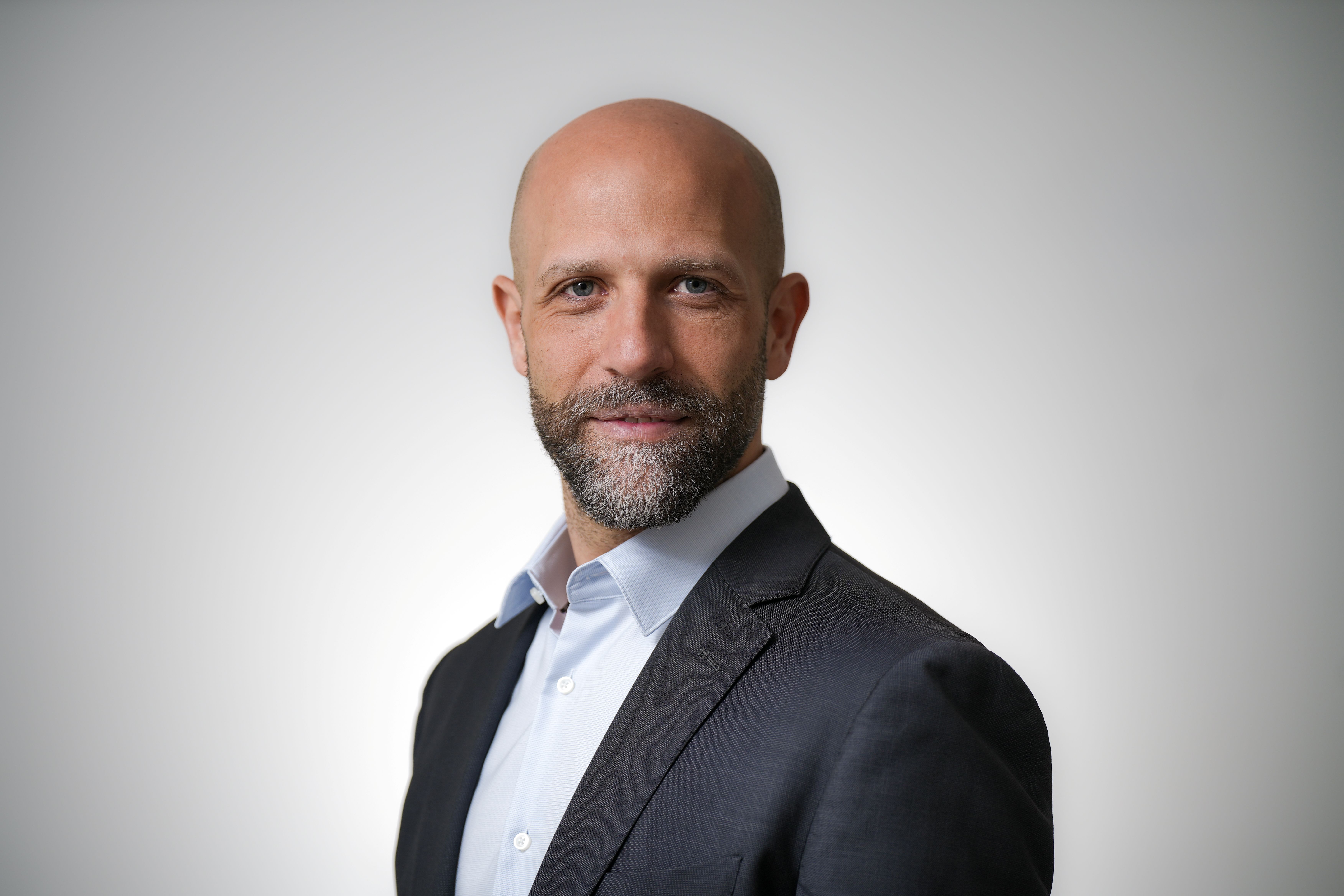
By Ismail Ibrahim, General Manager of CEMEA at SUSE
[For more news, click here]
The UAE has never been afraid to think ahead. From appointing Omar Sultan Al Olama as one of the world's first Ministers for AI in 2017, to embracing Agentic AI, the country has consistently positioned itself at the forefront of technological innovation. Now, with the creation of the Federal Authority for Artificial Intelligence and Data, it is taking another significant step towards becoming one of the world's leading AI-powered nations.
The new authority brings together responsibility for AI, data governance and digital government under a single Cabinet-reporting body, establishing a unified framework for how AI will shape public services and government operations. It comes shortly after the government's announcement that autonomous AI systems will support 50% of government sectors and services within two years: one of the world's most ambitious AI transformation programmes.
For a country that has built its reputation on acting early rather than waiting for consensus, the move makes perfect sense. But as governments everywhere are discovering, adopting AI is only part of the challenge. Maintaining control over the systems that underpin it is becoming equally important.
Discussions around digital sovereignty often focus on data residency. But AI introduces deeper questions: Who controls the software powering these systems? Who determines how they evolve? What happens if access to critical technologies changes?
As governments increasingly rely on AI to make decisions, automate processes and deliver essential services, these questions move beyond IT considerations and become matters of national resilience.
The challenge is that a gap remains between recognising the importance of sovereignty and acting on it. According to SUSE's 2026 Navigating Digital Resilience research: 98% of enterprises say digital sovereignty is a priority, yet only 52% are actively taking steps to achieve it, and 41% admit they only address it when regulation or customer demands force their hand.
That approach may have been acceptable when digital transformation was largely about efficiency. In the age of AI, it is much harder to justify.
Perhaps most strikingly, 65% of enterprises say hyperscalers are relevant to supporting sovereign workloads, reflecting a tension many governments are grappling with: balancing the scale and convenience of global cloud providers against the need for genuine jurisdictional control. Sovereignty does not mean rejecting the cloud, but it does mean ensuring critical capabilities remain portable, transparent and under local control.
Hyperscalers have played an important role in accelerating AI adoption and will continue to do so. But relying entirely on proprietary technology creates a different kind of dependency.
True sovereignty requires optionality, the ability to choose where workloads run, how data is governed and which technologies best support long-term objectives. Digital sovereignty expertise is now one of the top three criteria organisations consider when selecting cloud and infrastructure partners, while 94% of IT leaders say open source software is either very or extremely important to strengthening digital resilience.
These priorities are reshaping infrastructure strategies. According to SUSE's Cloud and AI Pulse Survey,
59% of enterprises are increasing their use of hybrid cloud environments specifically to address sovereignty requirements.
A growing number are also turning to private cloud for their most sensitive workloads.
Forrester predicts that concerns around digital and AI sovereignty will help drive a private cloud renaissance throughout 2026, reflecting a broader shift towards architectures that prioritise control, resilience and freedom of choice over dependence on any single provider.
Achieving sovereignty does not mean building everything from scratch or operating in isolation. It means maintaining control over the technologies that matter most, and open source provides that foundation.
Unlike proprietary systems, open source technologies allow organisations to inspect, modify and operate infrastructure independently, avoiding unnecessary lock-in while providing the transparency and flexibility governments need to innovate on their own terms. This becomes particularly important as AI moves from experimentation to production and begins supporting critical public services.
Yet too many organisations remain reactive. More than four in ten enterprises only address sovereignty concerns when customers or regulators require it. As AI becomes embedded in public services and critical infrastructure, waiting for external pressure to act carries real strategic risk. Countries that establish the right foundations now will be better placed to innovate with confidence, adapt to changing requirements and maintain long-term independence.
The UAE's new Authority represents a bold political commitment. But delivering on that ambition will depend on equally strong technical foundations.
Sovereignty in the AI era is not simply about where data resides. It is about who ultimately controls the infrastructure, platforms and software that shape decisions, deliver services and power the digital economy.
By anchoring its framework in open, hybrid architectures, the UAE can ensure its digital future remains entirely its own. The UAE has already demonstrated the vision. The next challenge is ensuring it has the technological independence to match.
SUSE Expands Oracle Partnership, Bringing Its Full Portfolio to OCI Marketplace
UAE Investors Lead the World in AI Adoption, With a Pinch of Human Advice
Exclusive: Why Saudi Arabia's Startup Market Keeps Growing While the Rest of the Gulf Doesn't
Related Articles