

Technology
Oct 2, 2026
Technology
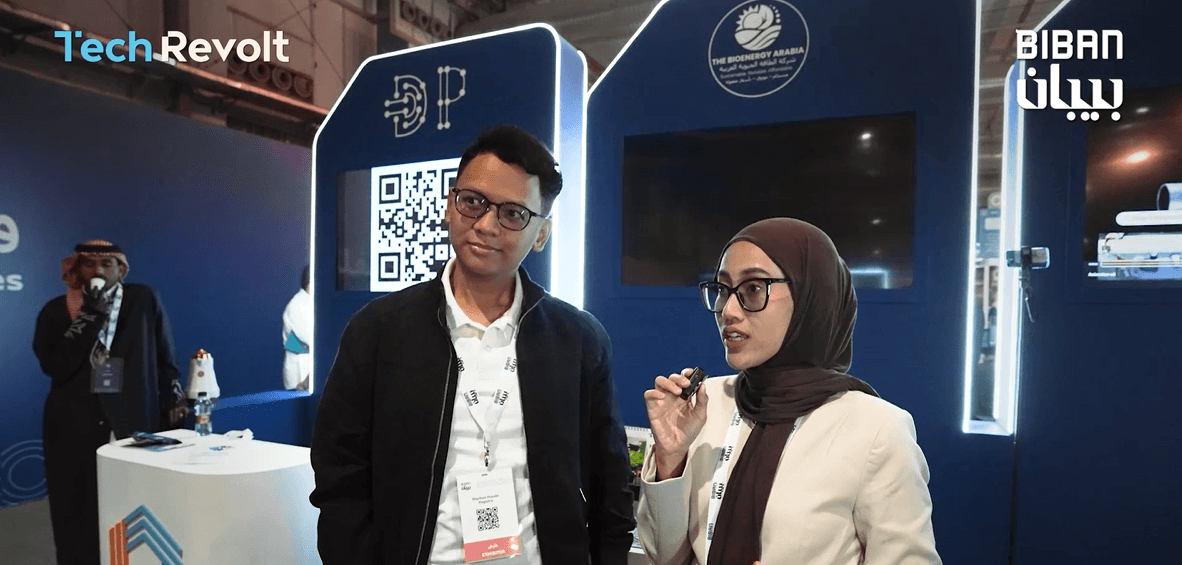
The Bioenergy Arabia is driving a quiet but powerful shift in the region’s sustainability landscape, led by Co-Founder Listya Eka Anggraini and Project Manager Shahran Hasabi Haputra. After eight years working in biodiesel, the duo champions a model that converts waste cooking oil into high-quality fuel, tackling the feedstock inconsistency and production challenges that have long held the sector back.
Their journey began with a clear realisation: every city produces vast amounts of used cooking oil, much of which is discarded improperly or reused unsafely. Turning this waste into biodiesel not only supports environmental protection but also introduces structure to an industry historically marked by fragmentation. Early on, they discovered that the major issues—unstable supply, variable quality, and outdated processing—were symptoms of a system lacking standards rather than technical impossibilities.
To address this, Bioenergy Arabia focused on stabilising the supply chain. They built a structured collection network by partnering with restaurants, food service operators, and small businesses to ensure used oil is gathered efficiently and handled correctly from the start. This significantly reduces contamination and variability, helping to eliminate one of the sector’s biggest obstacles: unpredictable feedstock.
Education is a central part of their approach. Many waste oil vendors and small collectors are unaware of proper handling practices, leading to inconsistency in what reaches biodiesel facilities. Listya and Shahran address this by training partners on correct storage, filtration, and delivery methods, elevating standards across the board and strengthening the industry’s reliability.
On the production side, Bioenergy Arabia has spent years refining methods to process different types of waste oil without compromising fuel quality. This adaptability is crucial in regions where feedstock sources vary widely. Their efforts position the company as a key contributor to the Middle East’s growing emphasis on circular economy solutions and renewable energy goals.
For Listya, biodiesel represents a chance to tackle several challenges at once—waste reduction, pollution control, and energy diversification. For Shahran, operational consistency is at the heart of every success, ensuring that each step, from collection to conversion, meets strict quality standards. Together, their complementary strengths shape Bioenergy Arabia’s reputation for precision and innovation.
Eight years on, they remain committed to strengthening their network, expanding capacity, and adopting technologies that enhance output stability. Bioenergy Arabia’s work illustrates how persistence and innovation can transform waste into meaningful value, contributing to a cleaner and more sustainable energy future for the region.
Related Articles