

Technology
Sep 24, 2026
Technology

The digital core of global academia was disrupted. It began with a flickering login page and ended with a ransom note from the hacking collective ShinyHunters, splashed across the screens of millions of students. For the roughly 9,000 institutions that rely on the Canvas Learning Management System (LMS), the incident became a brutal awakening.
by Kasun Illankoon, Editor in Chief at Tech Revolt
This wasn’t just a server going dark. It was a 3.6-terabyte exfiltration of the most intimate details of the academic experience: private advisor messages, medical accommodation requests, and student IDs. By the time parent company Instructure reached a settlement with the attackers on May 12, the "largest educational security breach on record" had already rewritten the rules of engagement for the cloud.
The Canvas crisis is a classic case study in the "SaaS paradox." We move to Software-as-a-Service to simplify our lives, yet in doing so, we often complicate our risks. To understand why this happened, and why it will happen again, we have to look past the code and into the structural vulnerabilities of how we trust the platforms that run our world.
The technical post-mortem reveals a striking irony. The breach didn't involve a complex zero-day exploit or a brute-force attack on a high-security vault. Instead, the attackers walked through a side door: the "Free-For-Teacher" (FFT) accounts.
This program was designed to be friction-less, allowing educators to spin up classrooms without institutional oversight. But in the architecture of a multi-tenant SaaS environment, "friction-less" is often synonymous with "vulnerable." By exploiting a weakness in the support ticket system of these unverified accounts, ShinyHunters managed to bridge the gap between "free" users and the production data of elite universities.
This architectural flaw underscores a fundamental shift in the threat landscape.
Dave Russell, SVP and Head of Strategy at Veeam Software, argues that the move to the cloud doesn't actually lower the stakes; it just moves the goalposts. He notes that moving to SaaS doesn’t eliminate risk, but rather changes it. Even when a provider secures their platform, Russell maintains that the data remains the organization’s responsibility to protect, retain, and recover.
He describes SaaS as a massive attack surface where resilience planning must assume that critical services can become untrusted or unavailable with almost no warning.

Photo: Dave Russell, SVP and Head of Strategy at Veeam Software
If you ask an IT director who is responsible for their Canvas data, they might point to the contract. But if you ask a student whose medical history was leaked, they point to the university. This is the "Shared Responsibility Model"—the industry-standard framework that governs cloud security.
In theory, the provider (Instructure) secures the "pipes," while the customer (the school) secures the "water" flowing through them. In practice, this model is the fine print that most organizations ignore until the pipes burst.
Rick Vanover, VP of Product Strategy at Veeam Software, calls this the "set it and forget it" trap. He observes that SaaS can feel like a hands-off solution until it suddenly becomes a source of deep regret.
According to Vanover, the shared responsibility model is the fine print nobody reads until an incident forces the issue. He stresses that while the provider runs the service, the customer always owns the outcome, which includes the heavy lift of getting data back and keeping the business running. He advocates for treating SaaS like any other production system: locking down identity and ensuring a recovery plan exists that doesn’t depend on the very platform that is having a bad day.
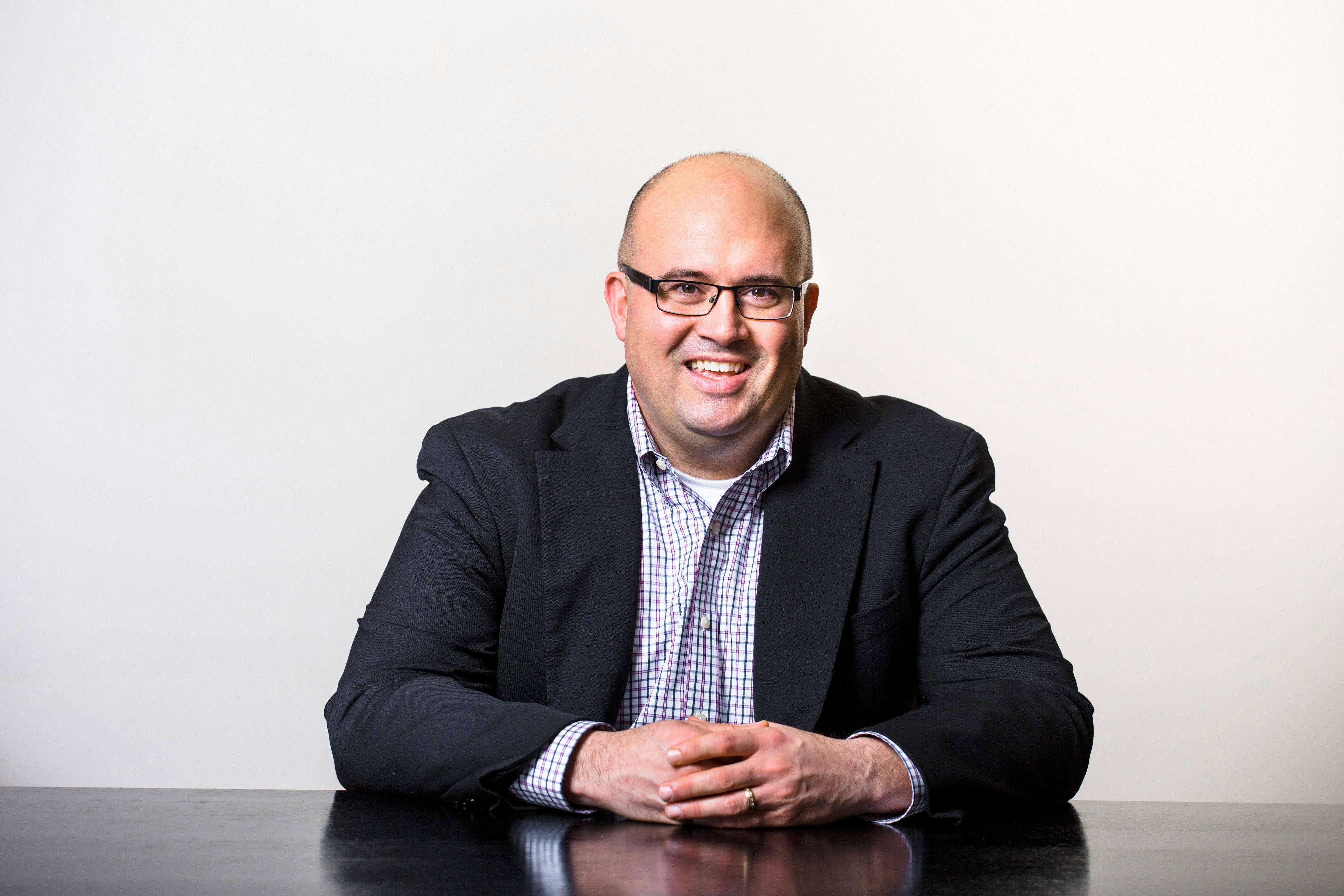
Photo: Rick Vanover, VP of Product Strategy at Veeam Software
While the immediate "red screen" of the ransomware note has faded, the real danger is just beginning. Unlike a credit card breach where you can simply cancel the card, the data stolen from Canvas is permanent.
The 275 million records reportedly compromised contain "high-quality fuel" for social engineering. Because the attackers have access to specific course names, private message history, and student IDs, they can craft phishing emails that are nearly indistinguishable from reality.
Imagine a student receiving an email from their actual professor, quoting a real conversation they had about a final exam, and asking them to "click here" to re-upload their assignment due to the recent outage. This is "spear-phishing" at scale. The breach didn't just steal data; it stole the context that makes institutional trust possible.
The Canvas incident has forced a reckoning. The "Free-For-Teacher" program has been permanently shuttered, and Instructure has engaged cybersecurity giants like CrowdStrike to harden their perimeter. But for the thousands of schools that were "dead in the water" during final exams, the lesson is more structural.
The vulnerability wasn't just a bug in the software; it was a single point of failure in the strategy. If an institution's entire academic continuity depends on a single SaaS login, they aren't just using a service—they are hosting a hostage situation.
The most pragmatic step, as Russell suggests, is a return to basic data hygiene. This means maintaining independent, recoverable copies of mission-critical data so that recovery happens on the school’s timeline, not the attacker’s. It means moving away from the "black box" mentality and toward a model where SaaS data is backed up, encrypted, and isolated from the primary platform.
We are entering an era where "up-time" is no longer the only metric that matters. In a world where threat actors like ShinyHunters are pursuing high-value targets with increasing frequency, the new metric is "resilience."
The Canvas breach proved that even the most reputable platforms can have a bad day. It proved that "the cloud" is just someone else’s computer, and that computer is currently being targeted by some of the most sophisticated extortionists on the planet.
For educational institutions, the path forward requires a blend of skepticism and strategy. They must continue to use the tools that make modern learning possible, but they must do so with the understanding that they are the ultimate stewards of their students' data. As Vanover puts it, if ransomware loves anything, it is a single point of failure. The goal for every IT department in 2026 should be simple: don't give them one.
Related Articles


