
AI
Sep 16, 2026
In 2026, enterprises across Europe, the Middle East and Africa face an ultimatum: maintain a false sense of security and risk catastrophic lock-in, or embrace the fundamental shifts in technology needed to futureproof their businesses. For organisations in the United Arab Emirates and the Kingdom of Saudi Arabia, this decision is even more urgent. National visions such as Saudi Vision 2030 and the UAE Digital Economy Strategy 2031 demand infrastructure that is sovereign, secure and adaptable.
Clinging to proprietary, single-vendor solutions is not only a financial risk but an existential threat to business continuity and competitiveness in two of the world’s fastest growing digital economies. The five predictions ahead are not trends but non-negotiable imperatives. They outline how enterprises can build infrastructure capable of meeting sovereign cloud requirements, reframing cyber prevention around zero-trust, and adopting artificial intelligence at a pace that aligns with national digital ambitions.
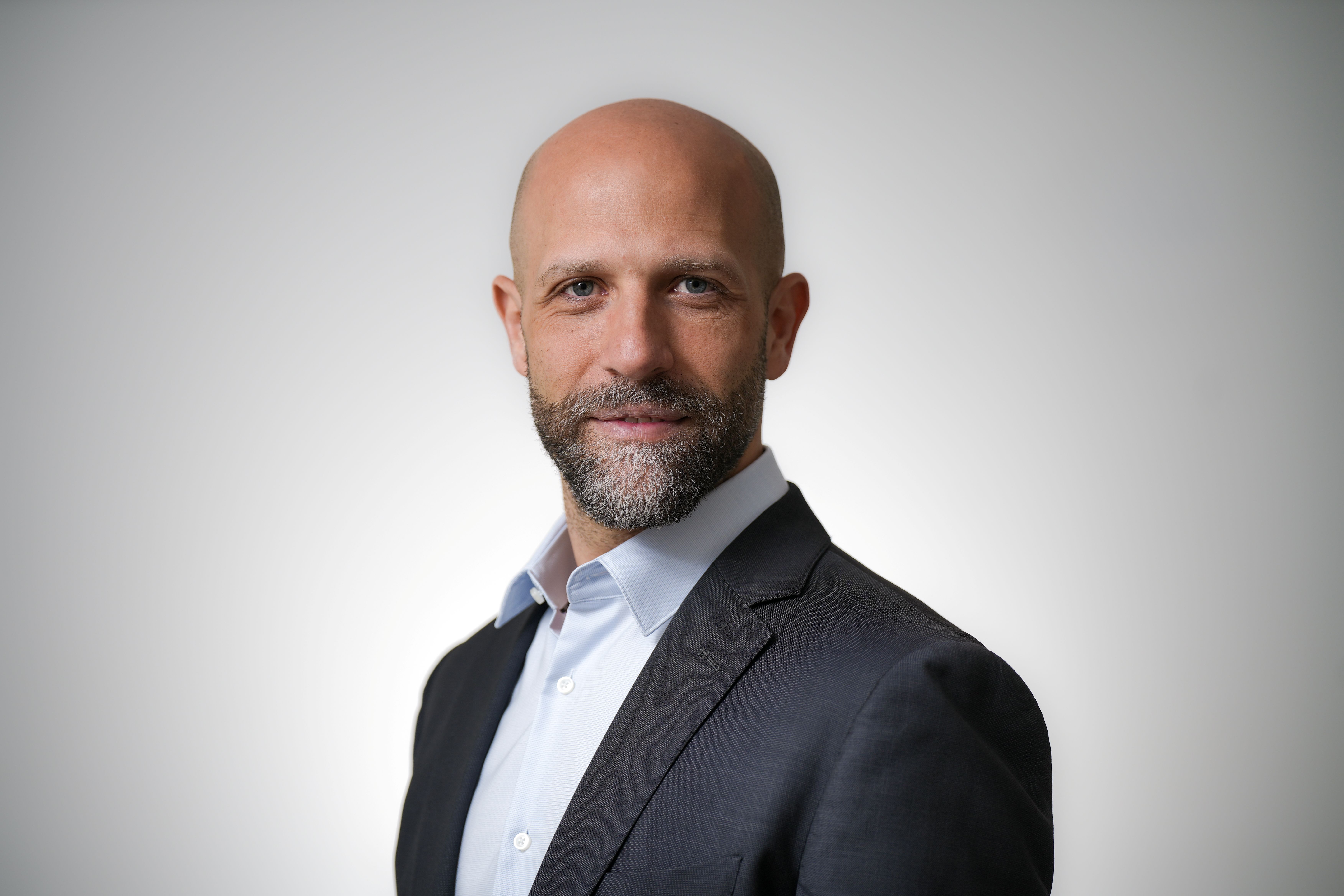
by Ismail Ibrahim, the General Manager of CEMEA, SUSE
Resiliency is not just an IT choice, but foundational for success.
Resilience begins with freedom of choice. The expansion of digital sovereignty regulations across Europe, the Middle East and Africa, combined with the UAE’s national data regulatory frameworks and Saudi Arabia’s emerging sovereign cloud requirements driven by the Saudi Data and Artificial Intelligence Authority (SDAIA) and the National Cybersecurity Authority (NCA), means organisations must ensure they retain control over their data and technology platforms from the outset.
There are ethical considerations, but the business rationale is even stronger: governance and cost control. Choosing open, flexible models prevents organisations from being trapped by enormous migration costs or exposed to sudden price increases from a single vendor. In markets like the UAE and Saudi Arabia, where innovation cycles are accelerating and national digital programmes are maturing rapidly, this strategic flexibility is essential.
2. Prediction: Proprietary virtualisation is no longer the default, open alternatives are already reshaping the market.
Virtualisation has evolved from a specialist tool into the backbone of enterprise IT. What is shifting across the UAE’s hyperscaler ecosystem and Saudi Arabia’s public sector modernisation efforts is the balance of power. Organisations are no longer confined to proprietary stacks.
Open virtualisation ecosystems built on Kernel-based Virtual Machine (KVM) and Xen Project hypervisors are already supporting mission-critical workloads. At the same time, Kubernetes-native hyperconverged infrastructure is redefining how enterprises unify virtual machines and containers through simplified, cloud-ready interfaces.
This is not a hypothetical future. It is happening today across regional banks, telecommunications providers, government entities and major enterprises. The drivers are the same: agility, cost optimisation, and freedom from vendor lock-in. The lesson is clear: if your enterprise strategy still assumes a VMware-centric environment, you are already behind the pace of digital transformation in the Gulf region.
3. A foundation for good defence begins with zero-trust security.
Legacy cybersecurity models built around perimeter defence are no longer sustainable, particularly in active threat environments such as the UAE and Saudi Arabia. While securing the software supply chain is essential, perfect prevention is unattainable.
Organisations must shift to zero-trust security, a model fully aligned with the UAE National Cybersecurity Strategy, the Saudi Essential Cybersecurity Controls (ECC), and broader National Cybersecurity Authority frameworks. Zero-trust assumes nothing is safe by default. Systems must ensure that unknown vulnerabilities cannot be exploited at run-time.
This requires secure-by-default design principles and precision-engineered software that hardens the core infrastructure, especially containers. The metric of success becomes preventing exploitation at the point of execution, not merely responding post-breach. This approach strengthens operational continuity in regions where the cost of downtime is extremely high.
4. Artificial Intelligence is a shapeshifter. Success depends on an enterprise’s ability to stay up to date.
Artificial intelligence-assisted infrastructure is no longer experimental. In the UAE and Saudi Arabia, governments are pushing forward with AI-enhanced public services, sovereign cloud-based AI models and nationwide digitisation efforts.
To keep pace, enterprises must build infrastructure that is context-aware, secure by design and natively integrated with intelligent management capable of operating through natural language commands. Choosing open-source approaches ensures maximum flexibility, preventing dependency on a single artificial intelligence vendor. It also supports compliance with strict data locality rules, sector-specific regulations, and sovereign cloud architectures emerging across the Gulf. Enterprises that maintain this adaptability will be able to adopt the most trusted, most advanced AI innovations without compromising governance or privacy.
Strategic openness: a future-proofing imperative
Strategic openness is the most powerful defence against long-term technical and financial risk. By building on open foundations designed with secure-by-default principles, organisations in the UAE and Saudi Arabia gain resilient, adaptable platforms capable of supporting cloud transformation, large-scale edge deployments and rapid advancements in artificial intelligence.
This flexibility shields financial planning from sudden vendor-driven price increases and protects enterprises from forced, high-cost migrations that have disrupted global markets in recent years.
In two of the world’s most ambitious digital economies, infrastructure resilience is more than a technology goal. It is a business continuity mandate. The leaders of the next decade will be those who build systems that anticipate, adapt and evolve — ready for today’s challenges and for innovations that have not yet been imagined.
The question is simple: is your organisation ready?
Related Articles