

Technology
Sep 23, 2026
Technology
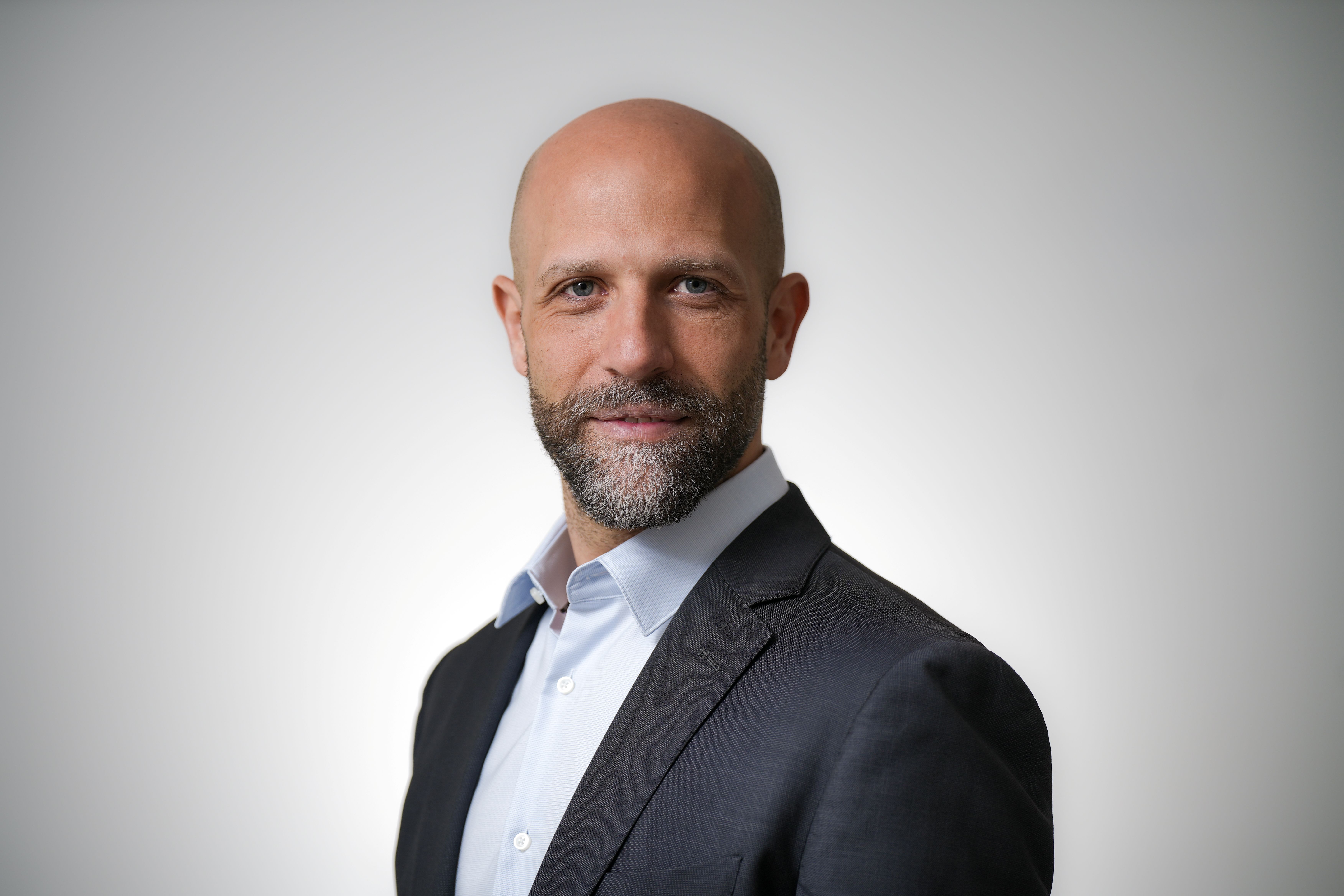
Kasun Illankoon, Editor-in-Chief of Tech Revolt, sits down with Ismail Ibrahim, General Manager CEMEA at SUSE, to discuss the company’s growing focus on Saudi Arabia and the wider region. The conversation explores SUSE’s new Saudi entity, digital sovereignty ambitions, open-source adoption, local partnerships, and how its latest platform updates are supporting regulated, hybrid and AI-ready environments across CEMEA.
Saudi Arabia has become a strategic priority for SUSE. What prompted the decision to establish a formal entity there now?
Saudi Arabia has reached a pivotal moment in its digital transformation. Cloud adoption, AI readiness, and national-scale technology programmes have accelerated rapidly under Vision 2030. Technology decisions are increasingly long-term and foundational rather than tactical, particularly for government bodies and regulated industries.
From our perspective at SUSE, establishing a formal entity in Saudi Arabia reflects both the scale of demand we are seeing in the market and the importance of having a permanent presence on the ground. Customers are looking for closer collaboration, local expertise, and faster engagement with partners who understand regulatory and operational realities. This expansion represents our long-term commitment to the Kingdom and to supporting organisations as they modernise their critical digital infrastructure.
2. How does SUSE’s Saudi expansion align with broader digital sovereignty ambitions across the region?
Across Saudi Arabia and the wider region, digital sovereignty has become a practical priority. Governments and regulated industries are actively assessing how they retain control over data, infrastructure, and technology decisions, while still enabling innovation and growth.
SUSE’s expansion aligns closely with these ambitions through open, enterprise-grade platforms that give organisations greater control and flexibility. Open source technologies allow enterprises to design infrastructure aligned with national priorities, reduce dependency on a single vendor, and adapt over time as requirements evolve.
Having a local SUSE presence strengthens our ability to support these outcomes at scale and in close partnership with customers.
3. What specific market gaps or customer needs in Saudi Arabia is SUSE aiming to address first?
Many organisations in Saudi Arabia operate complex hybrid environments that span on-premise infrastructure, sovereign cloud initiatives, and global cloud platforms. Managing this complexity consistently and securely is becoming an increasingly significant challenge.
Our focus is on helping customers establish stable, secure platforms that operate seamlessly across these environments without fragmentation. We are also seeing rising demand for infrastructure that can support AI and data-intensive workloads while meeting strict governance and compliance requirements. These priorities are shaping how we engage with customers across the Kingdom.
4. Open source is often positioned as a sovereignty enabler. How is SUSE translating that principle into real-world deployments?
At SUSE, we work closely with customers to design and deploy infrastructure that prioritises transparency, resilience, and long-term sustainability. Enterprise support, predictable lifecycles, and certified integrations are central to how we deliver open source at scale.
In real-world deployments, this includes national infrastructure built on SUSE Linux Enterprise, container platforms that enable workload portability across environments, and open standards that support local innovation. This approach allows organisations to modernise at their own pace while maintaining control over their most critical systems.
5. What role do local partnerships and ecosystems play in SUSE’s growth strategy for CEMEA?
Local partnerships are a core pillar of our regional strategy. Systems integrators, cloud providers, and technology partners bring essential market insight and sector expertise that complement SUSE’s global capabilities.
Working together enables us to deliver solutions that reflect local requirements while maintaining global standards. In Saudi Arabia, partnerships also play an important role in skills development and knowledge transfer, helping build long-term digital capability across the ecosystem. This collaborative approach is central to our growth across CEMEA.
6. This year has seen a wave of new product and platform updates from SUSE. Which ones matter most for regional enterprises right now?
We are seeing enterprises across the region move container and Kubernetes environments into production at scale. As a result, platforms that deliver security, resilience, and operational simplicity are a key focus. SUSE Rancher addresses this need by enabling centralised management across diverse environments.
There is also strong interest in platforms that support edge computing and AI workloads, particularly in sectors such as logistics, manufacturing, and smart infrastructure. Our portfolio is designed to support these use cases while maintaining governance and operational control.
7. Highly regulated sectors dominate parts of CEMEA. How is SUSE adapting its Linux and open source offerings to meet those demands?
Regulated industries require stability, security, and long-term predictability. SUSE Linux Enterprise is designed with extended support lifecycles, robust security processes, and recognised certifications to meet these requirements.
We work closely with customers to ensure compliance needs are met while still enabling modernisation. This approach allows organisations in sectors such as finance, energy, and government to innovate with confidence.
With SUSE Linux Enterprise Server 16, SUSE is introducing AI-assisted capabilities within the operating system to help organisations manage increasing complexity and evolving workloads. This supports current operational requirements while providing a practical foundation for future workloads, including those that incorporate AI, without changing the expectations around stability, security, or support
8. Looking ahead, how do you see SUSE’s role evolving as governments and enterprises rethink control, resilience, and trust in their digital infrastructure?
As digital infrastructure becomes increasingly central to economic growth and national resilience, organisations will place greater emphasis on platforms they can depend on over the long term.
SUSE’s role will continue to evolve as a trusted partner, supporting secure and adaptable foundations that can respond to regulatory change, technological advancement, and shifting operational demands.
Enterprise-supported open source platforms will play a central role in this next phase of digital transformation across the region.
Related Articles


