

AI
Oct 2, 2026
Exclusive: An AI Just Passed a Video Turing Test. What Happens When You Cannot Tell Who is on the Call?
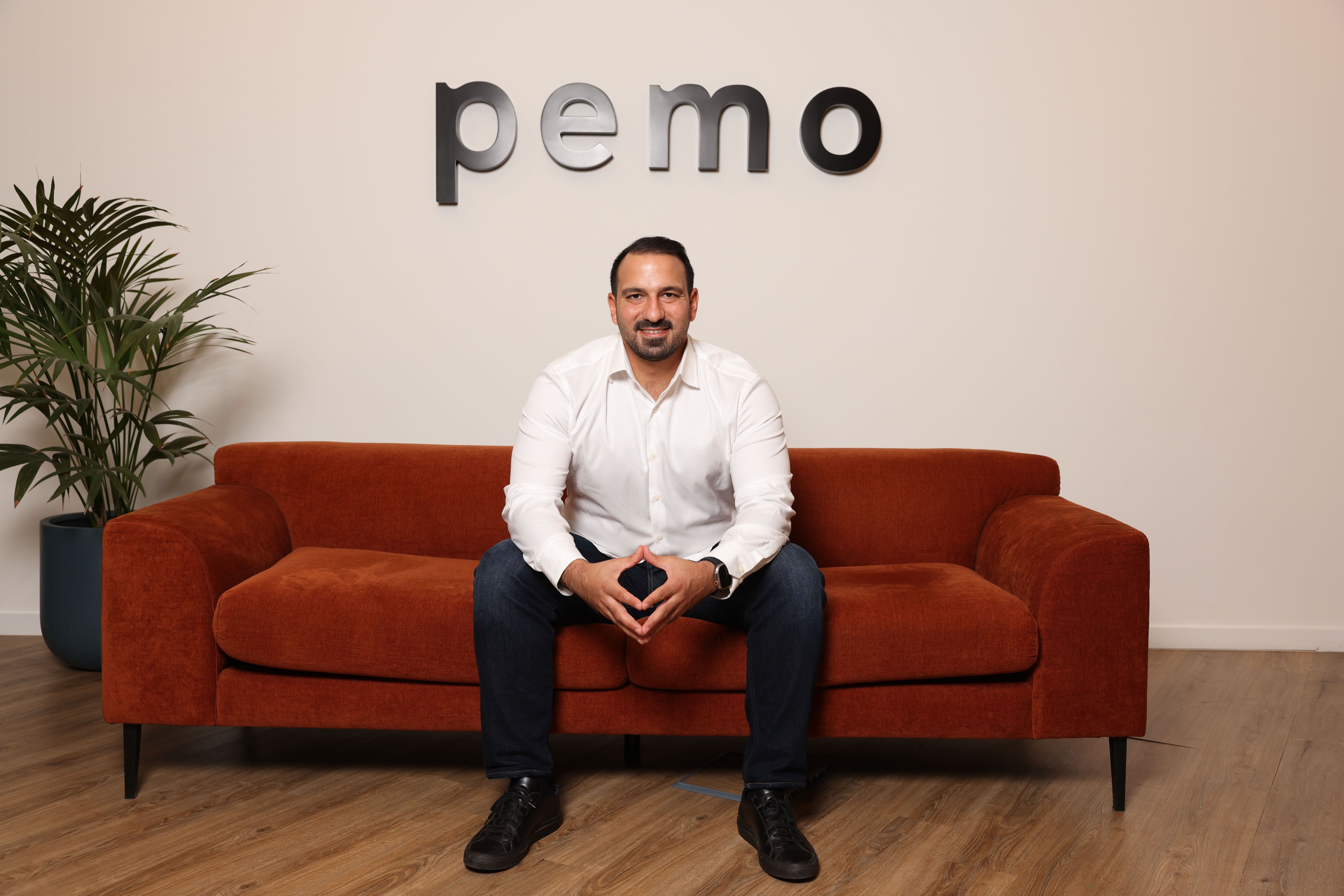
Corporate investment in artificial intelligence across the UAE has risen 521% over the past 13 months, according to new transaction data that offers one of the clearest pictures yet of how the country's businesses are actually deploying the technology.
The figures come from Pemo's inaugural UAE AI Adoption Report, drawn from real corporate card and bill pay transactions recorded between January and March 2026, with trend data spanning January 2025 to February 2026. The analysis covers more than 6,000 UAE businesses and over AED 1.4 billion in annual spend.
Twelve percent of UAE businesses are confirmed as active AI users — a figure based on verified transactions rather than surveys or self-reporting. Of those, nearly two-thirds rely on a single tool, while only 37% are using two or more, suggesting most organisations are still in the early stages of wider deployment.
A notable inflection point emerged in late 2025. The final quarter of the year recorded three times more first-time AI adopters than any quarter in 2024, marking what the data describes as a shift from cautious exploration to more committed investment. That momentum has carried into 2026.
Contrary to the assumption that AI adoption is being led by large enterprises, small and medium-sized businesses account for 59% of total AI spend in the UAE. Mid-sized firms record the highest transaction frequency, pointing to a pattern where agility, rather than budget, is driving uptake.
The nature of AI usage is also evolving. A growing cohort of businesses is combining multiple tools across functions — spanning automation, software development, content creation, and workflow management — an indication that AI is beginning to move beyond isolated pilots and into core operations.
Ayham Gorani, Co-founder and CEO of Pemo, said: "Businesses are becoming much more focused on where AI delivers real value today. The priority is improving efficiency, reducing friction in day-to-day operations and enabling teams to move faster without adding complexity.
"In the current climate, that ability to do more with less is critical. As organisations see clear returns, adoption scales quickly, evolving from single tools into broader, more embedded use. That is what ultimately drives stronger productivity and more resilient operations."
Adoption remains uneven across sectors. Traditional industries are largely still in early phases, and significant gaps persist. But the direction of travel, measured in actual spend, points firmly toward AI becoming a standard operational investment rather than an experimental one.
Related Articles