
Startups
Sep 29, 2026
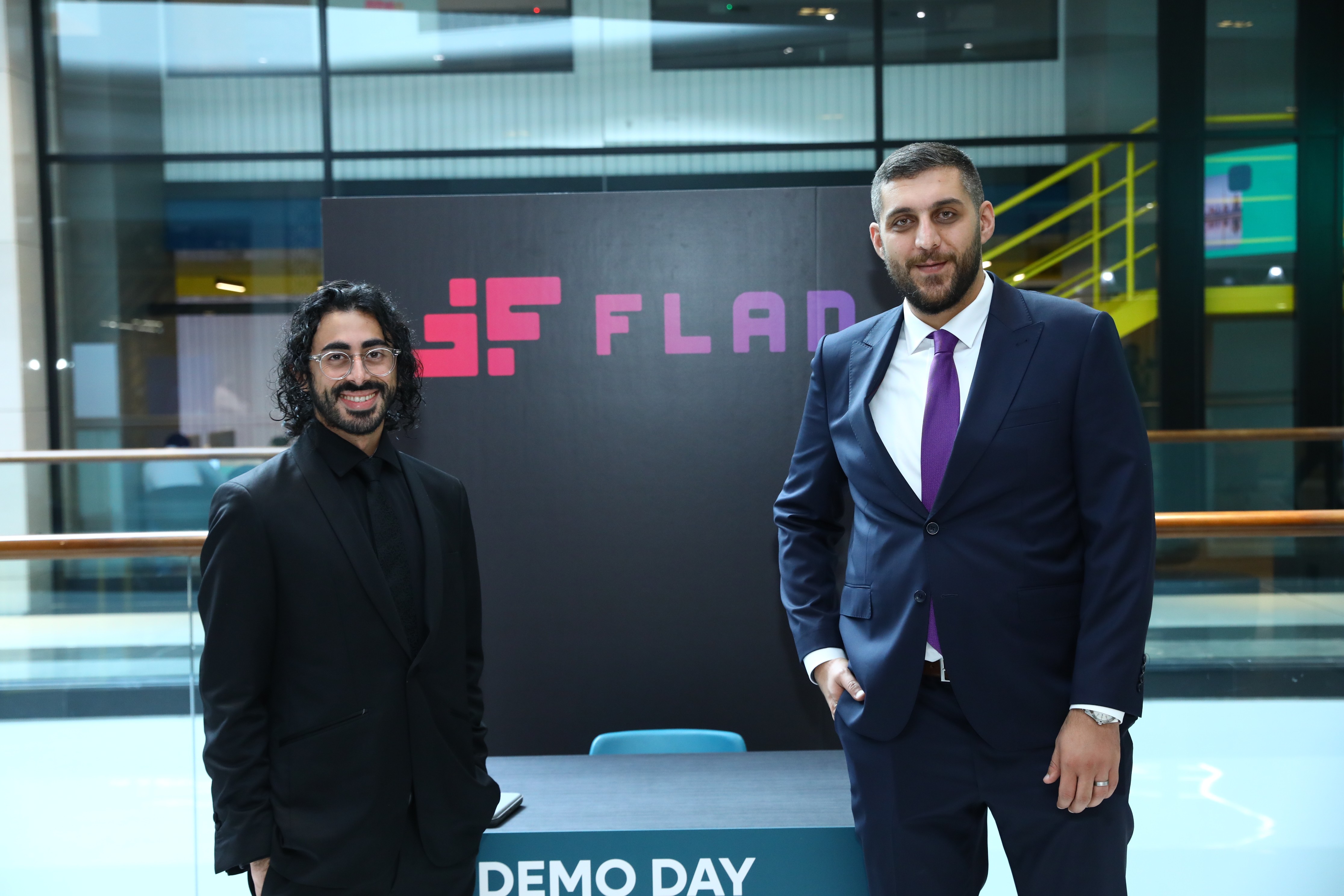
In a region rich with talent but often limited by fragmented networks, Flan is positioning itself as more than just another professional platform. Co-founded by Majdy Miqdady, the community-driven network aims to redefine how developers, founders, and students connect — placing trust, proximity, and authenticity at the centre of networking.
In this interview, Miqdady shares the personal motivation behind Flan, how the platform measures success beyond traditional metrics, and why community remains the true engine of innovation across the MENA region.
Flan was born from a deep personal need. The need for real connection in a world flooded with noise. Too many talented people in our region are stuck behind glass walls, visible but disconnected. We wanted to build a platform where anyone — فلان — could be seen, heard, and supported. Our core mission is to humanize networking. Not just to match people with jobs, but to ignite movements, ideas, and opportunities by focusing on authentic, trust-based connections.
Our goal is to weave the region’s fragmented communities into one vibrant, connected ecosystem where collaboration flows and opportunities are shared.
We look at impact stories. When a developer finds a co-founder, when a student lands an internship that changes their path, when someone gets their first client or builds confidence to speak at an event; that’s success. We measure community activation, depth of engagement, and the quality of connections not just clicks or sign-ups.
We are helping people connect with purpose through bringing them together online and offline with tools like events, Pods, and “Radar” proximity-based networking. Our platform is designed to understand soft skills, ambition, and shared values not just resumes. It’s about meaningful matchmaking and building prosperous ecosystems through connecting dreamers.
One GJU student we met said Flan helped her “break the ice” and actually stay in touch with the people she met something that felt impossible before.
Interestingly, we’ve also discovered that Radar is helping introverts more than we expected by giving them a clear, low-pressure way to see who’s around and invest their time wisely, they’re able to connect with the right people without the overwhelm of traditional networking.
It’s everything. Skill development happens in classrooms, but innovation happens in community. When people feel they belong, they take risks. They share ideas. They build things. That’s why our model is deeply community-first.
Silicon Valley succeeded not by chance, but by design. Rooted in proximity to world-class universities like Stanford and UC Berkeley. These institutions weren’t just academic powerhouses; they were engines of talent, research, and experimentation. What set the Valley apart was the open flow of ideas between academia, industry, and investors, a culture where collaboration was the norm, not the exception. Students became founders, professors became advisors, and ideas moved freely from labs to startups. This dense, interconnected ecosystem fostered innovation at an unprecedented pace, proving that when knowledge, capital, and ambition collide in the same space, extraordinary things happen. At Flan, we’re applying that same principle to the MENA region creating an ecosystem where talent, ideas, and opportunity flow freely between students, startups, and communities, both online and offline.
Almost every core feature from Memory Cues to our University Ambassador Program came directly from listening. We didn’t sit in the dark building tools. We spent time in co-working spaces, campuses, and meetups, asking people, what do you wish existed? Then we built Flan around those answers and pain points.
Related Articles