

Technology
Sep 17, 2026
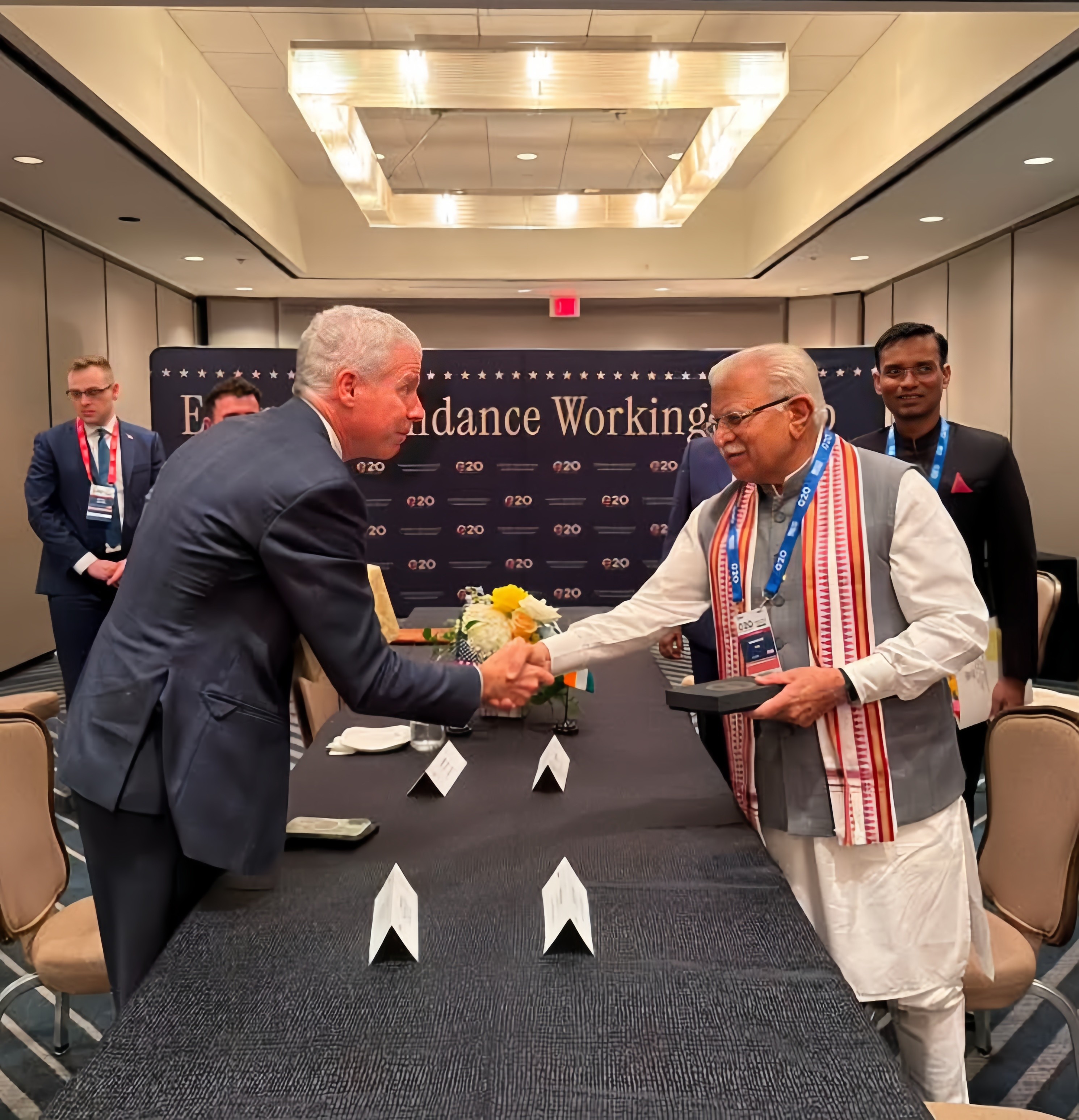
Rising demand from AI and data centers is bringing reliable power, nuclear energy and digital infrastructure into the same policy conversation.
[For more news, click here]
India brought its nuclear expansion plans into a discussion about AI infrastructure during the G20 Energy Abundance Ministerial in Houston, where Power Minister Manohar Lal met U.S. Energy Secretary Chris Wright and discussed the country’s growing power requirements for AI, high-performance computing and data centers. According to India’s Ministry of Power, the September 15 meeting also covered clean energy, resilient infrastructure and emerging technologies, with both sides reaffirming cooperation under the U.S. India Energy Security Partnership.
Lal’s wider participation in the ministerial focused on energy security, affordable baseload power, clean energy and regulatory efficiency. India also raised the importance of resilient critical mineral supply chains, placing its nuclear plans within a broader discussion about the infrastructure needed to support a growing economy.
India’s nuclear plans meet rising power demand
Nuclear power remains a relatively small part of India’s electricity system, but New Delhi has set a target of 100 GW of nuclear capacity by 2047, compared with 8.78 GW currently. The government’s roadmap includes new 700 MW pressurized heavy water reactors, advanced reactor technologies and small modular reactors. Recent policy changes have also sought to bring greater private participation into the sector.
The timing gives the nuclear program a new relevance for the technology industry. The International Energy Agency expects global electricity consumption from data centers to more than double by 2030, with AI among the main drivers of that growth. Data centers are becoming large sources of electricity demand, making the availability of generation and grid capacity an increasingly practical consideration for companies planning new computing facilities.
India is pursuing that growth while expanding an electricity system that already has 552 GW of installed capacity, according to the government. At Houston, Lal pointed to solar, storage and nuclear power as parts of the country’s broader energy mix, while also stressing the need for affordable baseload electricity and more efficient regulatory processes for infrastructure projects.
The U.S. is facing a similar increase in electricity demand and has been looking to nuclear power as one source of reliable generation. The Department of Energy has launched a $17.5 billion financing program aimed at supporting new Westinghouse AP1000 reactors, while the data center operators have emerged as potential partners because of their need for dependable electricity. The parallel is relevant to India because both countries are trying to expand computing infrastructure while dealing with the limits of existing power systems.
Canada was also part of India’s discussions in Houston. Lal held talks with Canadian representatives on energy efficiency, low emission technologies, offshore exploration and emerging energy technologies. Canada’s participation in the ministerial focused more broadly on energy security, investment, innovation and resilient supply chains.
India’s nuclear program still has a long way to go from policy target to operating capacity, but the Houston meetings showed how the conversation around that expansion is changing. Nuclear power is being discussed alongside the electricity requirements of industries such as AI and high-performance computing, rather than in isolation from them. For India, that makes the pace of building reliable power infrastructure increasingly relevant to the pace at which it can build the next generation of digital and industrial capacity.
Related Articles
At Middle East Energy 2026, the Gulf’s Power Grid Takes Centre Stage
AI Has a Power Problem. Velaura Raised $110 Million to Solve It
How 1001 Raised $30 Million to Bring Sovereign AI to Ports, Airports and Energy Grids
Related Articles